


USB-powered clip and floor fan with 36dB noise level, 8W power consumption, and 5m² coverage area for quiet, energy-efficient personal cooling in student dormitories and offices
USB-powered clip and floor fan with 36dB noise level, 8W power consumption, and 5m² coverage area for quiet, energy-efficient personal cooling in student dormitories and offices
SKU:CJYD246185502BY
Couldn't load pickup availability
USB-powered clip and floor fan with 36dB noise level, 8W power consumption, and 5m² coverage area for quiet, energy-efficient personal cooling in student dormitories and offices
 Free & Fast shipping
 Excellent quality
 Easy return and exchange
USB-Powered Desk Fan with 36dB Noise Level for Quiet Personal Cooling in Compact Spaces
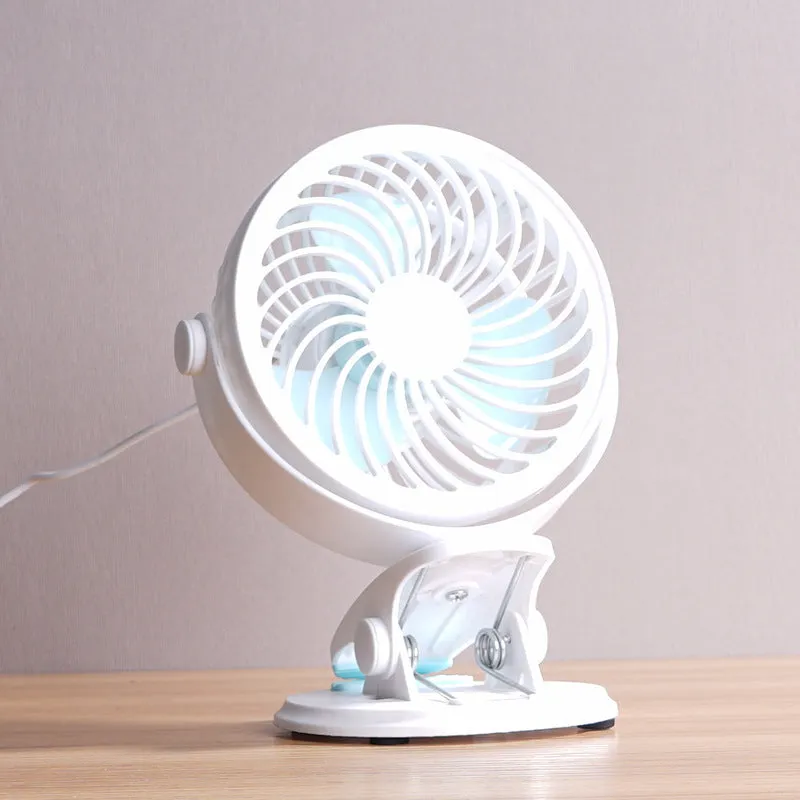
Technical Specifications and Performance Features
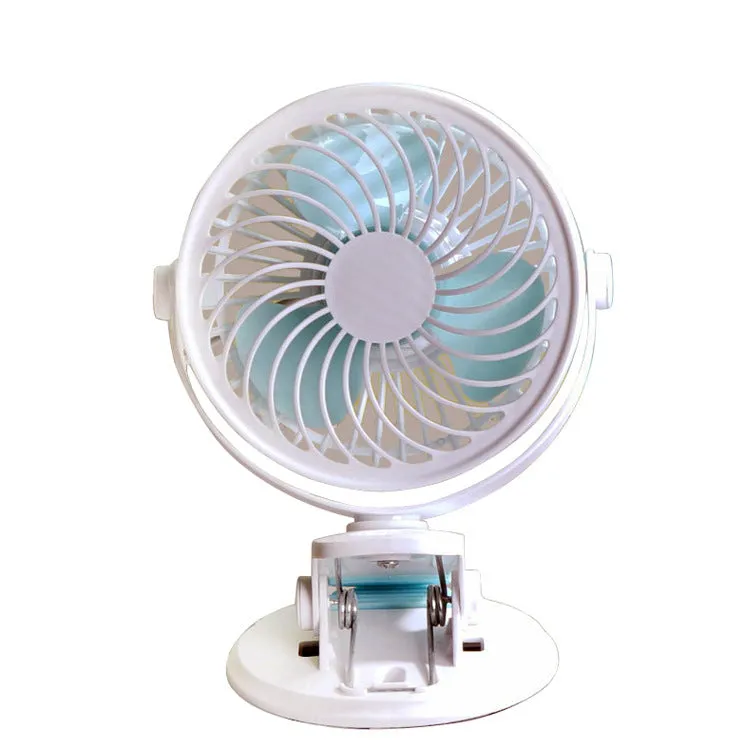
Motor Technology and Noise Control
The brushless motor represents a significant advancement over traditional brushed motors, eliminating friction between brushes and commutator that typically generates noise and wear. This design choice results in the below-36dB noise rating, measured at one metre distance during operation. For comparison, 36dB approximates the sound level of a quiet rural area at night, making this fan suitable for environments where even moderate noise would be disruptive. The motor's 220V rated voltage compatibility ensures stable performance across various power sources when used with appropriate USB adapters.Physical Dimensions and Airflow Coverage
Measuring 19cm in width, 15cm in height, and 10cm in depth, the fan occupies minimal surface area while delivering effective airflow. The three-blade configuration, with blades specifically angled for optimal air displacement, creates a focused airflow pattern rather than dispersed circulation. This design efficiently covers the specified 5m² applicable area, equivalent to a small bedroom or study corner, without wasting energy cooling unoccupied space. The compact dimensions make it particularly suitable for crowded student desks or bedside tables where space is at a premium.Construction Quality and Durability Factors
Practical Applications and Usage Scenarios This section explores specific situations where the fan's combination of quiet operation, compact size, and USB power compatibility provides practical advantages over alternative cooling methods. Each scenario highlights how particular features address common challenges in personal climate control.Academic and Professional Environments
In university libraries or shared study spaces, where multiple people work in close proximity, the below-36dB operation prevents distraction to neighbouring students. The clip fan variant attaches securely to desk dividers or shelf edges in study carrels, directing airflow precisely where needed without occupying valuable workspace. For postgraduate students working late in laboratory offices, the USB power compatibility allows connection to laptop ports when wall sockets are occupied by equipment, ensuring continuous cooling during extended research sessions without requiring additional power strips.Residential and Personal Cooling Applications
Versatile Placement and Power OptionsBenefits and Long-Term Value Considerations This section examines the tangible advantages of choosing this specific cooling solution, focusing on measurable performance metrics, operational economics, and user satisfaction factors that contribute to overall value.Energy Efficiency and Operational Economics
At 8W power consumption, operating the fan continuously for 12 hours daily costs approximately £0.02 per day based on average UK electricity rates, compared to £0.08 for a typical 30W desk fan. Over a three-month summer period, this represents a saving of around £5.40, effectively covering a significant portion of the initial purchase price. The brushless motor's reduced friction not only lowers noise but also decreases energy loss through heat generation, allowing more electrical energy to convert directly to airflow rather than wasting it as motor warmth. This efficiency becomes particularly valuable during heatwaves when extended operation periods would substantially increase electricity bills with less efficient alternatives.User Experience and Satisfaction Factors
Purchase Decision Support</h3 The combination of specific, measurable performance data—36dB noise level, 8W consumption, 5m² coverage—provides clear comparison points against competing products that often rely on vague descriptive terms. For students selecting dormitory equipment within strict budget constraints, the energy savings directly offset part of the purchase cost within the first year of use. Office managers purchasing multiple units for open-plan workspaces benefit from the reduced cumulative noise compared to standard fans, creating a more productive environment without significant infrastructure investment. The USB power compatibility future-proofs the investment as USB ports become increasingly ubiquitous in homes, vehicles, and public spaces.


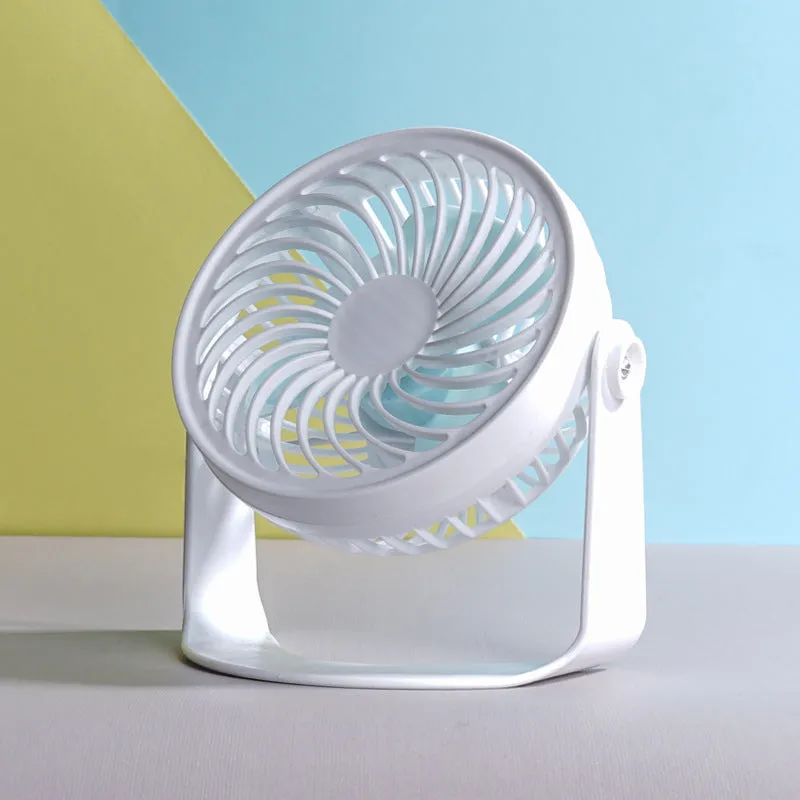


Store Comparison

|
OTHERS | |
|---|---|---|
Product Selection |
||
Pricing |
||
Local Service |
||
After-Sales Support |
||
Security Guarantee |
USE CODE “HHOMEENJOY” FOR 10% OFF!
USE CODE “HHOMEENJOY” FOR 10% OFF!
USE CODE “HHOMEENJOY” FOR 10% OFF!
USE CODE “HHOMEENJOY” FOR 10% OFF!
USE CODE “HHOMEENJOY” FOR 10% OFF!
USE CODE “HHOMEENJOY” FOR 10% OFF!
USE CODE “HHOMEENJOY” FOR 10% OFF!
USE CODE “HHOMEENJOY” FOR 10% OFF!
USE CODE “HHOMEENJOY” FOR 10% OFF!
USE CODE “HHOMEENJOY” FOR 10% OFF!
USE CODE “HHOMEENJOY” FOR 10% OFF!
USE CODE “HHOMEENJOY” FOR 10% OFF!
USE CODE “HHOMEENJOY” FOR 10% OFF!
USE CODE “HHOMEENJOY” FOR 10% OFF!
USE CODE “HHOMEENJOY” FOR 10% OFF!
USE CODE “HHOMEENJOY” FOR 10% OFF!