


Pine dining tray with two size options: a 40cm x 30cm small version and a 60cm x 40cm large version, featuring a compartment design for organised serving in tea rooms, living rooms, or dining areas.
Pine dining tray with two size options: a 40cm x 30cm small version and a 60cm x 40cm large version, featuring a compartment design for organised serving in tea rooms, living rooms, or dining areas.
SKU:CJYD246564102BY
Couldn't load pickup availability
Pine dining tray with two size options: a 40cm x 30cm small version and a 60cm x 40cm large version, featuring a compartment design for organised serving in tea rooms, living rooms, or dining areas.
 Free & Fast shipping
 Excellent quality
 Easy return and exchange
Pine Dining Tray with Compartment Design for Organised Serving in Multiple Rooms

Features and Construction Details
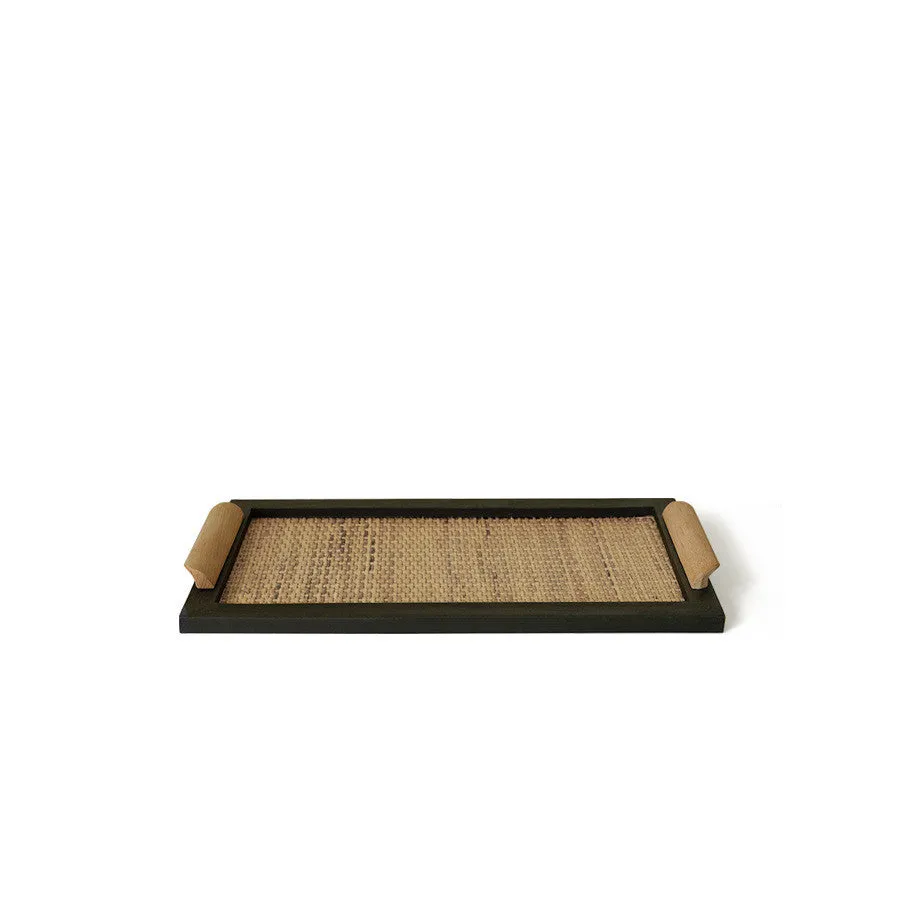
Compartment Layout Design
The compartment design creates separate areas within the tray surface, allowing you to organise different items during transport. This arrangement helps prevent items from sliding into each other, which can be particularly useful when carrying multiple glasses or plates. The compartment configuration varies between the small and large sizes to accommodate different serving requirements and item combinations.Size Specifications and Options
Two distinct size options cater to different serving needs and space constraints. The small version measures 40cm in length by 30cm in width, suitable for carrying individual place settings or small tea services. The large version provides 60cm by 40cm of surface area, accommodating multiple place settings or larger serving arrangements. Both sizes maintain the same compartment design principle while scaling appropriately for their intended uses.Pine Material Properties
Constructed from solid pine, the tray benefits from the natural properties of this wood species. Pine offers sufficient rigidity to maintain structural integrity during regular use while providing a natural wood grain appearance. The material's natural characteristics include visible grain patterns that vary between individual trays, giving each piece a slightly unique appearance while maintaining consistent functional performance.Practical Applications and Uses

Tea Room Serving Applications
In tea room settings, the compartment design proves particularly useful for organising tea service components. The separated areas can hold teapots, cups, and accompaniments without them shifting during transport. The 40cm by 30cm small size works well for individual or two-person tea services, while the 60cm by 40cm large version accommodates serving for small groups. The pine material complements traditional tea room aesthetics with its natural appearance.Living Room Everyday Use
For living room applications, the tray provides a stable surface for carrying refreshments from kitchen to seating areas. The compartment design helps prevent spills by keeping glasses and bowls separated during movement. The natural pine surface offers a tactile experience with its smooth wood finish, while the compartment edges provide visual guidance for item placement. Both size options work in living room contexts, with the choice depending on the number of people being served.Dining Area Versatility
In dining areas, the tray serves multiple functions beyond basic serving. It can organise condiments, hold cutlery for setting tables, or transport cleared items after meals. The two size options allow matching the tray to different table sizes and serving requirements. The compartment design proves useful for keeping different food items separated when serving buffet-style meals or when organising multiple courses during more formal dining occasions.Benefits and Practical Advantages

Organisational Value
The compartment design offers organisational benefits that extend beyond basic tray functionality. By providing separated areas, it reduces the likelihood of items tipping into each other during transport, which can help prevent spills and breakage. This organisational approach can be particularly valuable when serving multiple people or carrying varied items simultaneously. The design works with both the 40cm by 30cm small size and 60cm by 40cm large version to provide consistent organisational benefits across different serving scales.User Experience Considerations
Practical confidence during use comes from several design elements working together. The compartment layout provides visual and physical guidance for item placement, reducing uncertainty about where to position different serving items. The pine construction offers sufficient rigidity to prevent flexing during use, while the natural wood surface provides a traditional aesthetic that many users find appealing in domestic settings. These elements combine to create a straightforward user experience focused on practical serving functionality.Purchase Considerations
When considering this tray, the choice between the 40cm by 30cm small version and 60cm by 40cm large version depends on your specific serving needs. The small size works well for individual use or small-scale serving, while the large version accommodates more substantial serving requirements. Both options provide the same compartment design benefits and pine construction, allowing selection based on the scale of serving you typically require in your tea room, living room, or dining area contexts.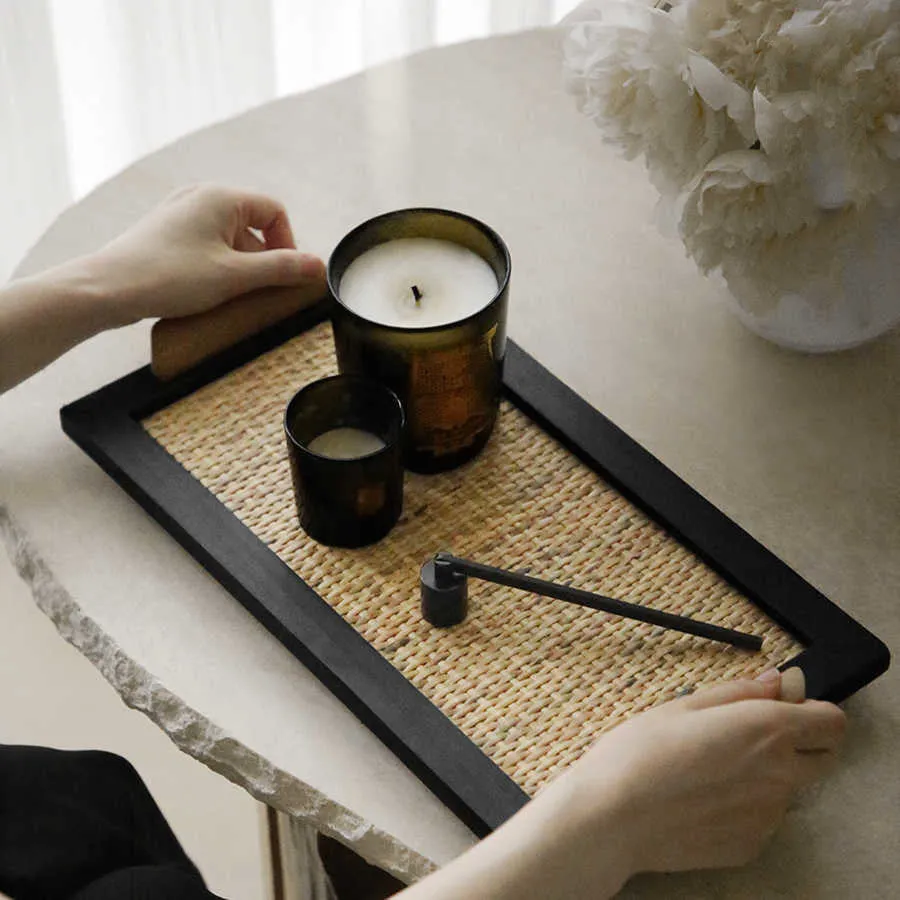


Store Comparison

|
OTHERS | |
|---|---|---|
Product Selection |
||
Pricing |
||
Local Service |
||
After-Sales Support |
||
Security Guarantee |
USE CODE “HHOMEENJOY” FOR 10% OFF!
USE CODE “HHOMEENJOY” FOR 10% OFF!
USE CODE “HHOMEENJOY” FOR 10% OFF!
USE CODE “HHOMEENJOY” FOR 10% OFF!
USE CODE “HHOMEENJOY” FOR 10% OFF!
USE CODE “HHOMEENJOY” FOR 10% OFF!
USE CODE “HHOMEENJOY” FOR 10% OFF!
USE CODE “HHOMEENJOY” FOR 10% OFF!
USE CODE “HHOMEENJOY” FOR 10% OFF!
USE CODE “HHOMEENJOY” FOR 10% OFF!
USE CODE “HHOMEENJOY” FOR 10% OFF!
USE CODE “HHOMEENJOY” FOR 10% OFF!
USE CODE “HHOMEENJOY” FOR 10% OFF!
USE CODE “HHOMEENJOY” FOR 10% OFF!
USE CODE “HHOMEENJOY” FOR 10% OFF!
USE CODE “HHOMEENJOY” FOR 10% OFF!