


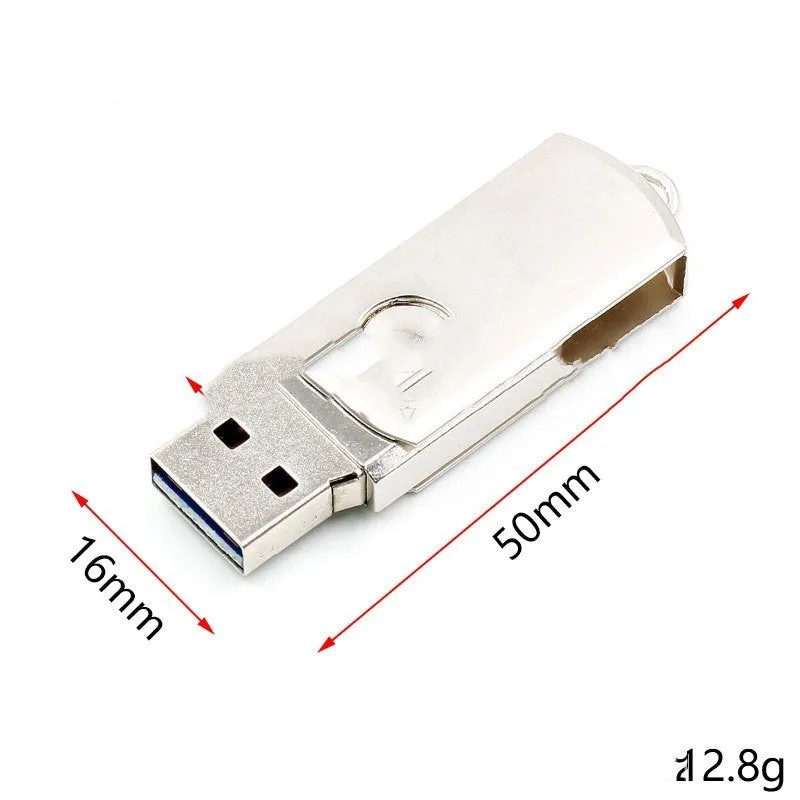
ATMEGA32U4-based single-chip microcomputer virtual keyboard development board with USB interface, measuring 50mm by 16mm for compact prototyping and standard data rate communication
ATMEGA32U4-based single-chip microcomputer virtual keyboard development board with USB interface, measuring 50mm by 16mm for compact prototyping and standard data rate communication
SKU:CJUS161011401AZ
Couldn't load pickup availability
ATMEGA32U4-based single-chip microcomputer virtual keyboard development board with USB interface, measuring 50mm by 16mm for compact prototyping and standard data rate communication
 Free & Fast shipping
 Excellent quality
 Easy return and exchange
ATMEGA32U4 Virtual Keyboard Development Board with USB Interface and 50mm by 16mm Compact Design

Features and Technical Specifications
ATMEGA32U4 Microcontroller Design
At the heart of the board is the ATMEGA32U4 microcontroller, which includes built-in USB functionality. This 8-bit AVR microcontroller operates at 16MHz and features 32KB of flash memory, 2.5KB of SRAM, and 1KB of EEPROM. The integrated USB controller eliminates the need for external USB-to-serial converters, simplifying the circuit design and reducing component count. The microcontroller's native USB HID capability allows it to appear as a standard keyboard to connected systems.Physical Dimensions and Layout
Measuring exactly 50mm by 16mm, the board has been designed to occupy minimal space in development setups. This compact size makes it suitable for integration into prototypes where physical constraints exist. The layout includes all necessary components for USB communication and keyboard emulation while maintaining this small footprint. The standard 2.54mm pin spacing allows for easy connection to breadboards or custom PCBs during development.USB Interface Implementation
The USB interface operates at standard data rates compatible with USB 2.0 specifications. This implementation provides reliable communication with host systems without requiring custom drivers in most operating systems. The board includes proper USB termination resistors and filtering capacitors to ensure signal integrity. The USB connection serves both as a communication channel and power source, drawing up to 500mA according to USB specifications.Development Applications

Educational and Learning Environments
In educational settings, the board provides a practical platform for teaching microcontroller programming and USB protocol implementation. Students can learn about HID device development without dealing with complex USB hardware design. The compact size makes it easy to incorporate into classroom projects, while the standard data rate ensures it works with the computers typically available in educational institutions. Programming can be done using common development environments like Arduino IDE or Atmel Studio.Prototyping and Testing Scenarios
For developers creating embedded systems that require keyboard input, this board offers a quick way to test keyboard functionality. The tactile experience of working with a physical board, despite its small 50mm by 16mm size, provides immediate feedback during development. When connected via USB, the board responds like a standard keyboard, allowing developers to verify their code's interaction with input systems. This practical testing capability speeds up the development cycle for projects requiring user input.Custom Input Device Development
Beyond standard keyboard emulation, the board can be programmed to create custom input devices with specialized key layouts or functions. The ATMEGA32U4's programmability allows developers to define custom key codes or implement macros. This versatility makes it suitable for creating specialized input devices for specific applications, from gaming controllers to accessibility tools. The standard data rate ensures these custom devices remain compatible with existing systems.Practical Benefits and Considerations
Development Time Reduction
By providing a pre-assembled solution for keyboard functionality, the board reduces development time compared to designing a custom keyboard interface from scratch. The ready-to-use nature means developers can focus on their application logic rather than low-level USB protocol implementation. The standard data rate eliminates compatibility testing that would otherwise be necessary with custom implementations. This time saving can be particularly valuable in commercial development environments with tight schedules.Reliability Through Standard Implementation
Integration into Final Products While primarily a development tool, the board's compact 50mm by 16mm size makes it potentially suitable for integration into final products in some cases. For low-volume production or specialized applications, the board could serve as the keyboard interface component. The standard data rate ensures it will work with the systems the final product connects to. This potential for direct use adds value beyond the prototyping phase, though volume production would typically warrant a custom design.


Store Comparison

|
OTHERS | |
|---|---|---|
Product Selection |
||
Pricing |
||
Local Service |
||
After-Sales Support |
||
Security Guarantee |
USE CODE “HHOMEENJOY” FOR 10% OFF!
USE CODE “HHOMEENJOY” FOR 10% OFF!
USE CODE “HHOMEENJOY” FOR 10% OFF!
USE CODE “HHOMEENJOY” FOR 10% OFF!
USE CODE “HHOMEENJOY” FOR 10% OFF!
USE CODE “HHOMEENJOY” FOR 10% OFF!
USE CODE “HHOMEENJOY” FOR 10% OFF!
USE CODE “HHOMEENJOY” FOR 10% OFF!
USE CODE “HHOMEENJOY” FOR 10% OFF!
USE CODE “HHOMEENJOY” FOR 10% OFF!
USE CODE “HHOMEENJOY” FOR 10% OFF!
USE CODE “HHOMEENJOY” FOR 10% OFF!
USE CODE “HHOMEENJOY” FOR 10% OFF!
USE CODE “HHOMEENJOY” FOR 10% OFF!
USE CODE “HHOMEENJOY” FOR 10% OFF!
USE CODE “HHOMEENJOY” FOR 10% OFF!